Lesson 59: Why Bridges Collapse
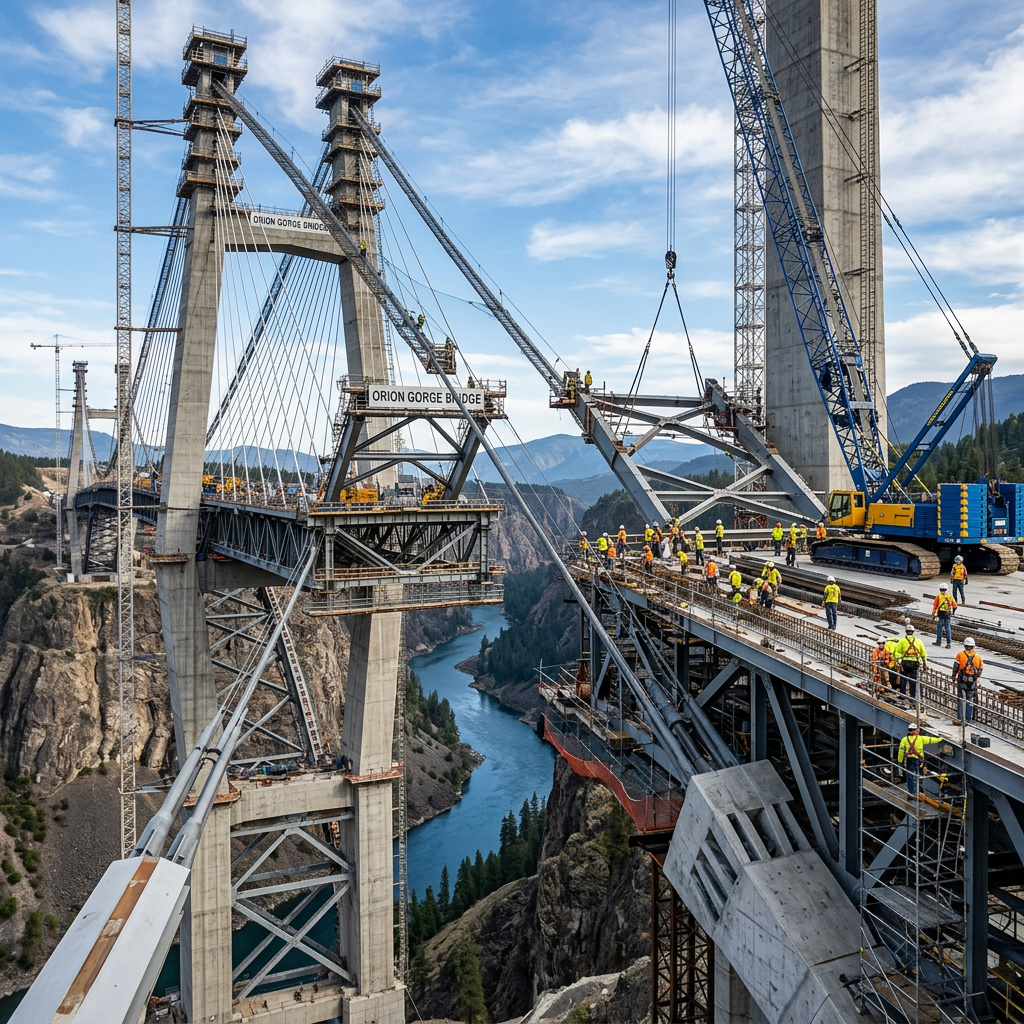
What does "Vital" mean?
Why Bridges Collapse
Bridges are vital structures that connect communities and facilitate transport. However, sometimes, despite careful planning and construction, bridges can collapse. While such events are rare, they are often caused by a combination of factors, and the consequences can be devastating.
Design Flaws
One of the primary reasons for bridge collapse is often attributed to design flaws. If a bridge is not designed to withstand specific loads or environmental conditions, it is likely to fail. For instance, if the calculations for wind resistance are not performed accurately, the bridge could be subjected to excessive forces. Many older bridges were designed using less advanced methods than those being used today.
Material Fatigue and Corrosion
Over time, the materials used in bridge construction can suffer from fatigue and corrosion. Steel components can be weakened by repeated stress, and concrete can be damaged by water and chemicals. If regular inspections are not carried out, these issues might not be detected until it is too late. The integrity of the structure is gradually compromised.
External Factors
External factors also play a significant role. Earthquakes, floods, and extreme weather events can place immense stress on bridges. If a bridge is struck by a large vessel, its structural stability can be severely affected. Furthermore, if a bridge is overloaded with traffic beyond its designed capacity, its lifespan will be shortened.
Maintenance Neglect
Perhaps the most preventable cause of collapse is inadequate maintenance. Bridges are required to be regularly inspected and repaired. If necessary repairs are postponed or entirely neglected, minor issues can escalate into major structural problems. The public must be assured that their infrastructure is being properly cared for.
Bridges are vital structures that connect communities and facilitate ___.
Discussion
Let's talk about the text
No comments yet. Be the first to start the discussion!
💡 Tip: Create a free account to save your progress, track your scores, and get personalized recommendations.