Lesson 55: Millennials in the Workplace
What does "Millennials" mean?
Millennials in the Workplace
Millennials, generally defined as those born between the early 1980s and mid-1990s, used to be the new generation in the workplace. Now, they are a significant portion of the global workforce, and their expectations have reshaped corporate culture. Companies have had to get used to new ways of working to attract and retain this talent.
Changing Expectations
Unlike previous generations, Millennials didn't use to prioritize job security above all else. They would often look for purpose and meaning in their work. They used to value work-life balance more than high salaries. This has led to a demand for flexible working hours, remote work options, and a focus on well-being. Employers have had to get used to offering these benefits.
Technology and Collaboration
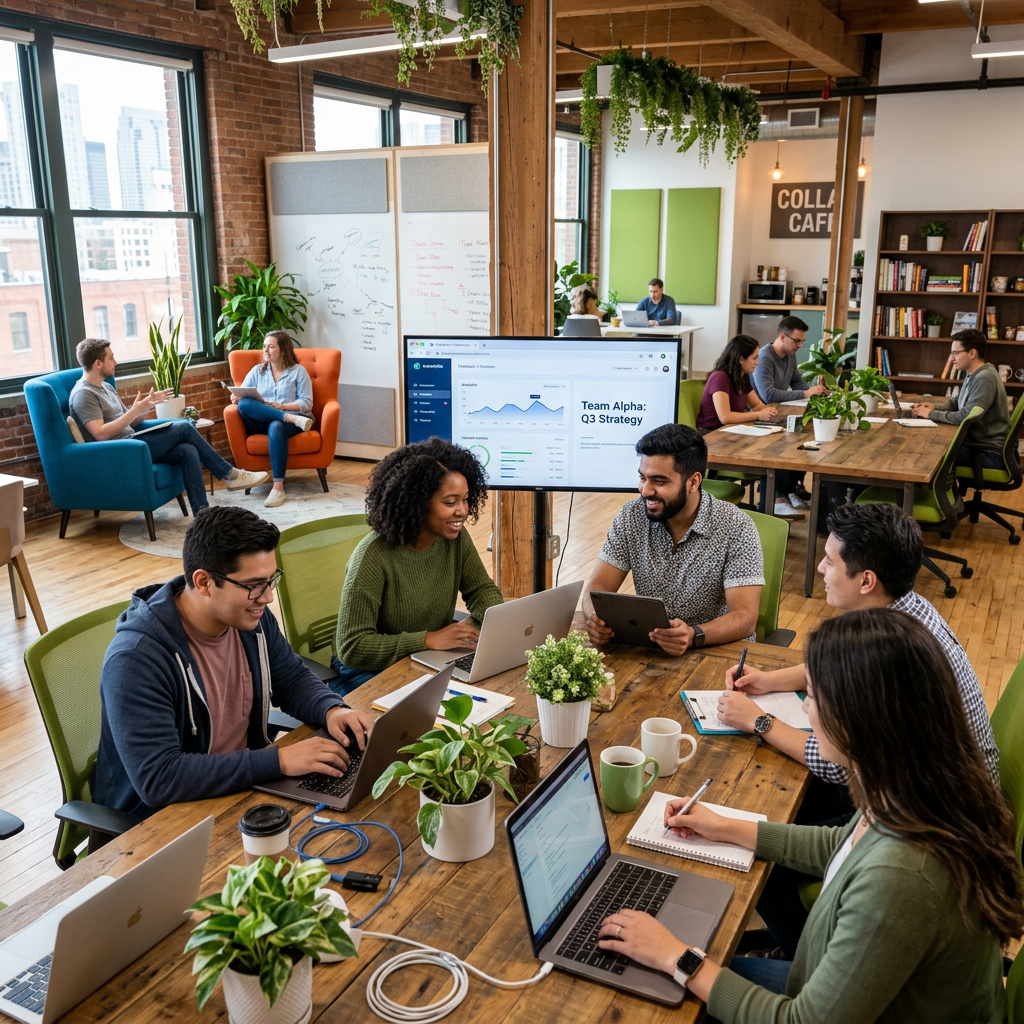
Millennials grew up with technology, so they are used to using digital tools for communication and collaboration. They would often prefer instant messaging over formal emails. They are also used to working in teams and sharing ideas openly. This has fostered a more collaborative environment, where hierarchies are less rigid.
Feedback and Development
This generation used to expect regular feedback and opportunities for professional development. They would often seek mentorship and continuous learning. Annual performance reviews, which used to be the norm, are now being replaced by more frequent check-ins and coaching sessions.
The Future of Work
As Millennials move into leadership roles, they are bringing these values with them. The workplace is continuing to evolve, and future generations will likely build on these changes. Companies that don't get used to these shifts will struggle to compete for top talent.
Millennials used to be the new generation in the ___.
Discussion
Let's talk about the text
No comments yet. Be the first to start the discussion!
💡 Tip: Create a free account to save your progress, track your scores, and get personalized recommendations.