Lesson 47: Remote Work Trends
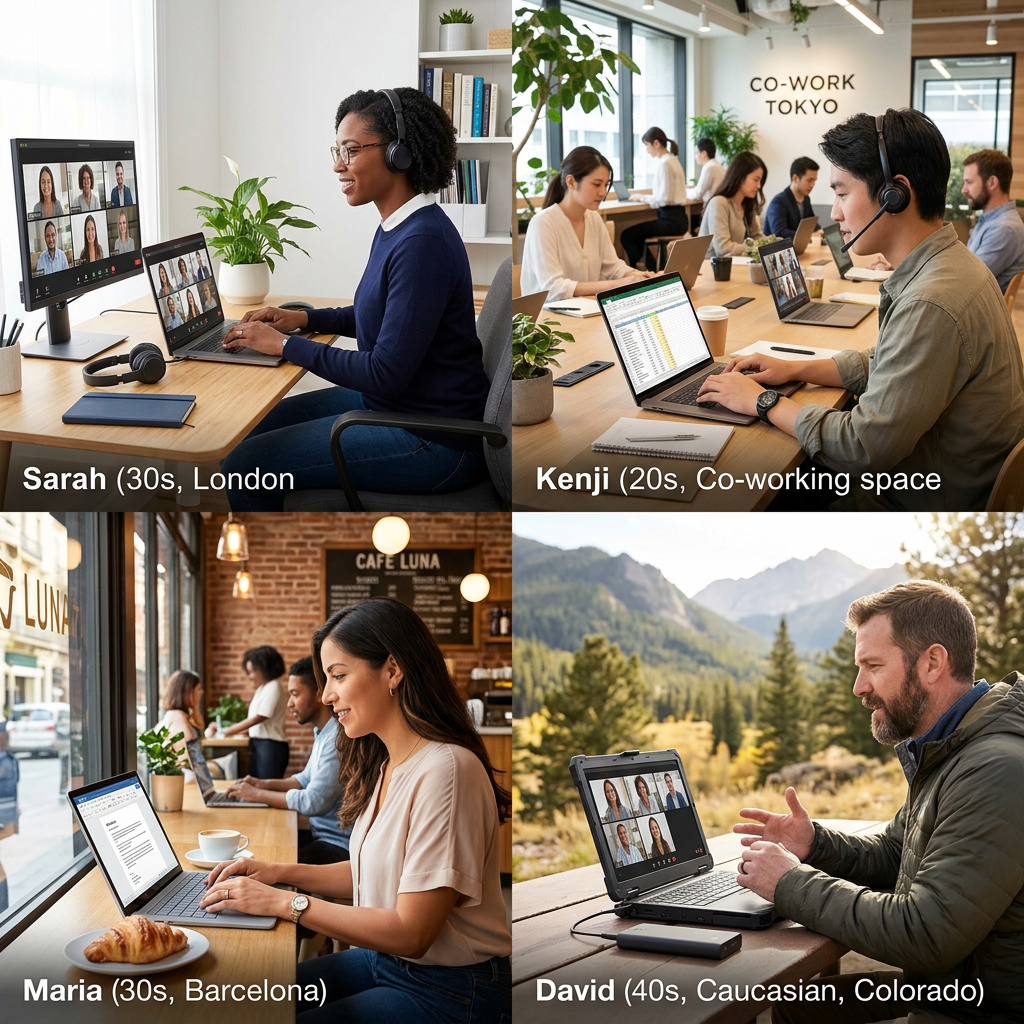
What does "Telecommuting" mean?
Remote Work Trends
Remote work, or telecommuting, has become a significant trend in the modern workplace. Many companies have adopted flexible work policies, and employees have often expressed a preference for working from home. A recent survey showed that 70% of employees said they would prefer to work remotely at least part-time.
The Rise of Remote Work
Before the pandemic, some companies had already experimented with remote work, but it wasn't widespread. The global health crisis forced many businesses to send their employees home. Suddenly, managers were telling their teams that they had to work from home. Employees said that they were adapting to the new routine, and many found it surprisingly productive. One CEO stated that he believed remote work was the future.
Benefits and Challenges
Employees often report that they have more flexibility and a better work-life balance when working remotely. They say that they can save time and money on commuting. However, some admit that they miss the social interaction of the office. Managers have sometimes expressed concerns about team cohesion and communication. They asked if employees were collaborating effectively.
The Future of Work
Experts predict that hybrid models, where employees work some days in the office and some days remotely, will become the norm. Companies are learning that they can trust their employees to be productive outside the traditional office setting. One HR director mentioned that they were planning to offer permanent remote options to their staff. The future of work is constantly evolving, and remote work is definitely here to stay.
Remote work has become a significant trend in the ___.
Discussion
Let's talk about the text
No comments yet. Be the first to start the discussion!
💡 Tip: Create a free account to save your progress, track your scores, and get personalized recommendations.